Neurology

Welcome to The American Institute of Neurological Disorders

Years of Experience
0 +
Years Serving Michigan
0 +
Accepted Insurances
0 +

About us

The American Institute of Neurological Disorders specializes in the diagnosis and treatment of most neurological conditions. The clinic is led by Dr. Neil Gilbert, MD, a board-certified neurologist, alongside Celina Accetta FNP-C and Adhraa Alsana FNP-C, to provide exceptional care to the Metro Detroit community and beyond.

Conditions we treat

Some of the conditions our medical center treats.

Seizures

Seizures are episodes of abnormal electrical activity in the brain that can cause changes in movement, awareness, behavior, or sensation. Neurological evaluation and treatment are important in determining the underlying cause, reducing seizure frequency, and improving overall quality of life through personalized care and management.

Meadache/Migraine

Headaches and migraines can range from mild discomfort to severe, debilitating pain that interferes with daily activities. A comprehensive neurological evaluation can help identify triggers, rule out underlying conditions, and develop an individualized treatment plan to reduce symptoms and improve long-term control.

Multiple Sclerosis

Multiple sclerosis (MS) is a chronic neurological condition in which the immune system affects the protective covering of nerves within the brain and spinal cord. Symptoms may include weakness, numbness, vision changes, balance difficulties, and fatigue, and treatment focuses on managing symptoms while slowing disease progression.

Parkinsons

Parkinsons disease is a progressive neurological disorder that affects movement, coordination, and balance. Common symptoms include tremors, stiffness, slowed movement, and changes in gait. Early diagnosis can help patients benefit from medications and supportive therapies designed to maintain independence and quality of life. 

Alzhiemers

Alzheimer’s disease is a progressive condition that affects memory, thinking, and cognitive function over time. Neurological care focuses on early recognition, symptom management, supportive treatment, and helping patients and families navigate the challenges associated with memory-related disorders.

Neck/Back Pain

Neck and back pain may result from nerve compression, spinal conditions, muscle strain, or degenerative changes affecting the spine. Neurological evaluation can help identify the source of discomfort and guide treatment options aimed at reducing pain, improving mobility, and restoring function.

Gait Imbalance

Gait imbalance refers to difficulty with walking, coordination, or maintaining stability while moving. These symptoms may be related to neurological, muscular, or balance disorders, and a detailed evaluation can help determine the underlying cause and guide effective treatment strategies.

Stroke Management

Stroke management focuses on the evaluation, treatment, and long-term prevention of stroke-related complications. Ongoing neurological care is essential to help patients recover function, reduce future stroke risk, and manage symptoms such as weakness, speech difficulties, or impaired coordination.

Dizziness

Dizziness may present as lightheadedness, vertigo, imbalance, or a sensation of spinning and can arise from a variety of neurological or inner ear conditions. A thorough neurological assessment can help identify the underlying cause and provide targeted treatment to improve stability and daily functioning.

Muscle Diseases/Weakness

Muscle diseases and unexplained weakness can affect strength, mobility, and overall physical function. Neurological evaluation helps determine whether symptoms are related to nerve, muscle, or neuromuscular conditions and supports the development of a personalized treatment approach.

Tremors

Tremors are involuntary shaking movements that most commonly affect the hands, arms, head, or legs. They may occur at rest or during movement and can be associated with conditions such as essential tremor, Parkinson’s disease, medication side effects, or other neurological disorders. A comprehensive neurological evaluation can help determine the underlying cause and guide appropriate treatment options to improve daily function and quality of life.


Neuropathy

Neruopathy is a condition involving damage or dysfunction of the peripheral nerves, often causing numbness, tingling, burning sensations, or weakness in the hands and feet. Neurological care focuses on identifying the underlying cause, relieving symptoms, and improving nerve function and quality of life. 

Seizures

Seizures

Seizures are episodes of abnormal electrical activity in the brain that can cause changes in movement, awareness, behavior, or sensation. Neurological evaluation and treatment are important in determining the underlying cause, reducing seizure frequency, and improving overall quality of life through personalized care and management.

Headache/Migraine

Headache/Migraine

Headaches and migraines can range from mild discomfort to severe, debilitating pain that interferes with daily activities. A comprehensive neurological evaluation can help identify triggers, rule out underlying conditions, and develop an individualized treatment plan to reduce symptoms and improve long-term control.

Multiple Sclerosis

Multiple Sclerosis

Multiple sclerosis (MS) is a chronic neurological condition in which the immune system affects the protective covering of nerves within the brain and spinal cord. Symptoms may include weakness, numbness, vision changes, balance difficulties, and fatigue, and treatment focuses on managing symptoms while slowing disease progression.

Parkinsons

Parkinsons

Parkinsons disease is a progressive neurological disorder that affects movement, coordination, and balance. Common symptoms include tremors, stiffness, slowed movement, and changes in gait. Early diagnosis can help patients benefit from medications and supportive therapies designed to maintain independence and quality of life.

Alzhiemers

Alzhiemers

Alzheimer’s disease is a progressive condition that affects memory, thinking, and cognitive function over time. Neurological care focuses on early recognition, symptom management, supportive treatment, and helping patients and families navigate the challenges associated with memory-related disorders.

Neck/Back Pain

Neck/Back Pain

Neck and back pain may result from nerve compression, spinal conditions, muscle strain, or degenerative changes affecting the spine. Neurological evaluation can help identify the source of discomfort and guide treatment options aimed at reducing pain, improving mobility, and restoring function.

Gait Imbalance

Gait Imbalance

Gait imbalance refers to difficulty with walking, coordination, or maintaining stability while moving. These symptoms may be related to neurological, muscular, or balance disorders, and a detailed evaluation can help determine the underlying cause and guide effective treatment strategies. 

Stroke Management

Stroke Management

Stroke management focuses on the evaluation, treatment, and long-term prevention of stroke-related complications. Ongoing neurological care is essential to help patients recover function, reduce future stroke risk, and manage symptoms such as weakness, speech difficulties, or impaired coordination.

Dizziness

Dizziness

Dizziness may present as lightheadedness, vertigo, imbalance, or a sensation of spinning and can arise from a variety of neurological or inner ear conditions. A thorough neurological assessment can help identify the underlying cause and provide targeted treatment to improve stability and daily functioning.

Muscle Diseases/Weakness

Muscle Diseases/Weakness

Muscle diseases and unexplained weakness can affect strength, mobility, and overall physical function. Neurological evaluation helps determine whether symptoms are related to nerve, muscle, or neuromuscular conditions and supports the development of a personalized treatment approach.

Tremors

Tremors

Tremors are involuntary shaking movements that most commonly affect the hands, arms, head, or legs. They may occur at rest or during movement and can be associated with conditions such as essential tremor, Parkinson’s disease, medication side effects, or other neurological disorders. A comprehensive neurological evaluation can help determine the underlying cause and guide appropriate treatment options to improve daily function and quality of life.
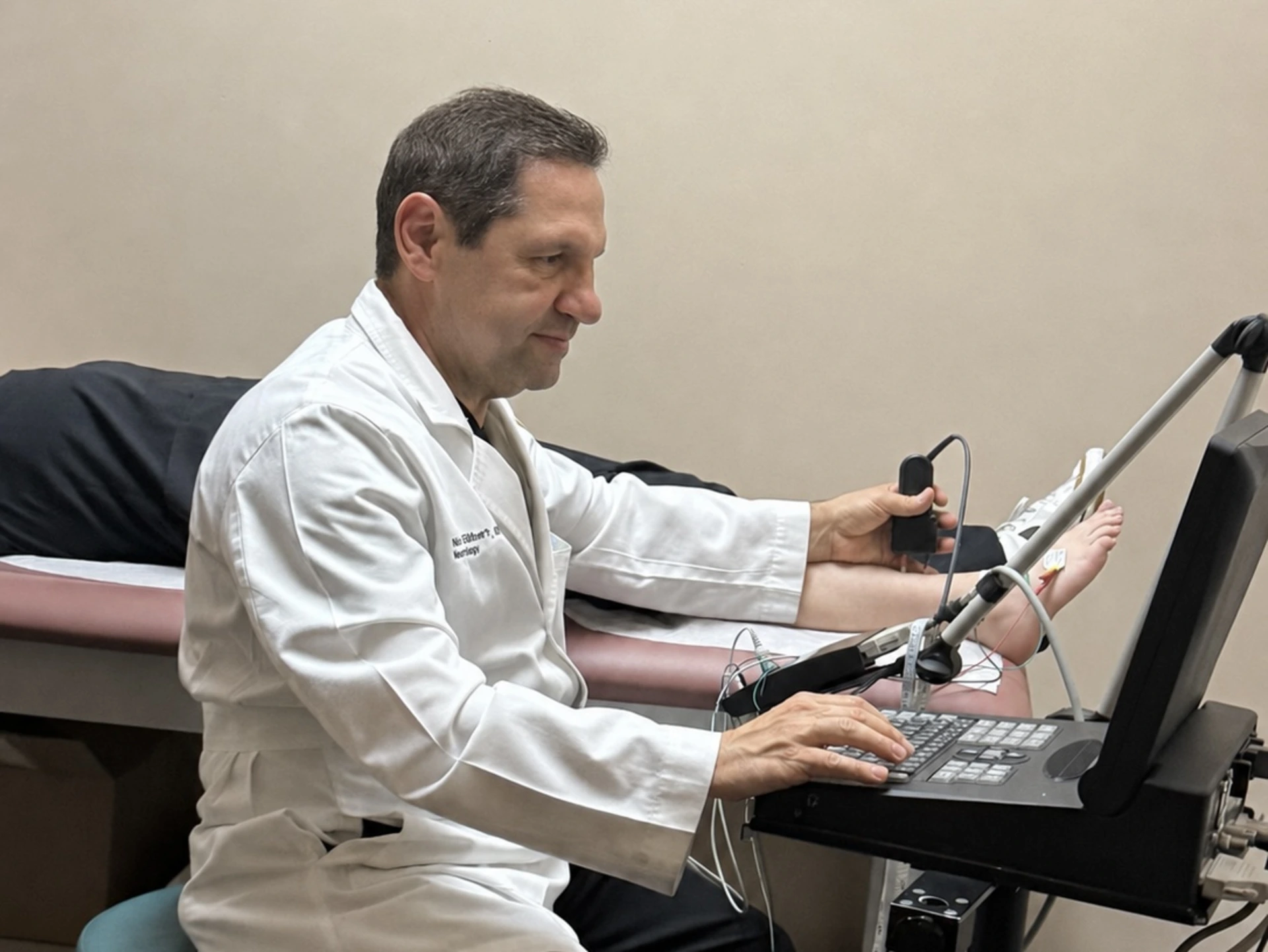
Neuropathy

Neuropathy

Neuropathy is a condition involving damage or dysfunction of the peripheral nerves, often causing numbness, tingling, burning sensations, or weakness in the hands and feet. Neurological care focuses on identifying the underlying cause, relieving symptoms, and improving nerve function and quality of life. 

SErvices

What We provide

Our practice offers comprehensive neurological care, diagnostic testing, pain management, and rehabilitation services designed to support patients with a wide range of neurological and musculoskeletal conditions. We are committed to providing personalized, evidence-based treatment in a compassionate and professional environment focused on improving quality of life and long-term wellness.

Schedule Your consultation today

Lorem ipsum dolor sit amet, consectetur adipiscing elit. Ut elit tellus, luctus nec ullamcorper mattis, pulvinar dapibus leo.

Quality Guaranteed

Our practice is dedicated to maintaining the highest standards of medical care. We prioritize clinical accuracy, patient safety, and professional excellence in every aspect of our services.

The request is missing an API key. Or, The key parameter is invalid.

Call to Schedule an Appointment

We welcome new and returning patients to schedule an appointment with our clinic. Our team is committed to providing timely and attentive service to address your healthcare needs.